If you’re searching for medical weight loss in Columbia, SC, you’ve probably noticed how quickly the advice gets confusing. You hear about peptides and wonder if they’re real medicine or just another trend. The smarter question is simpler: what do peptides do, and where do they fit in a safe plan?
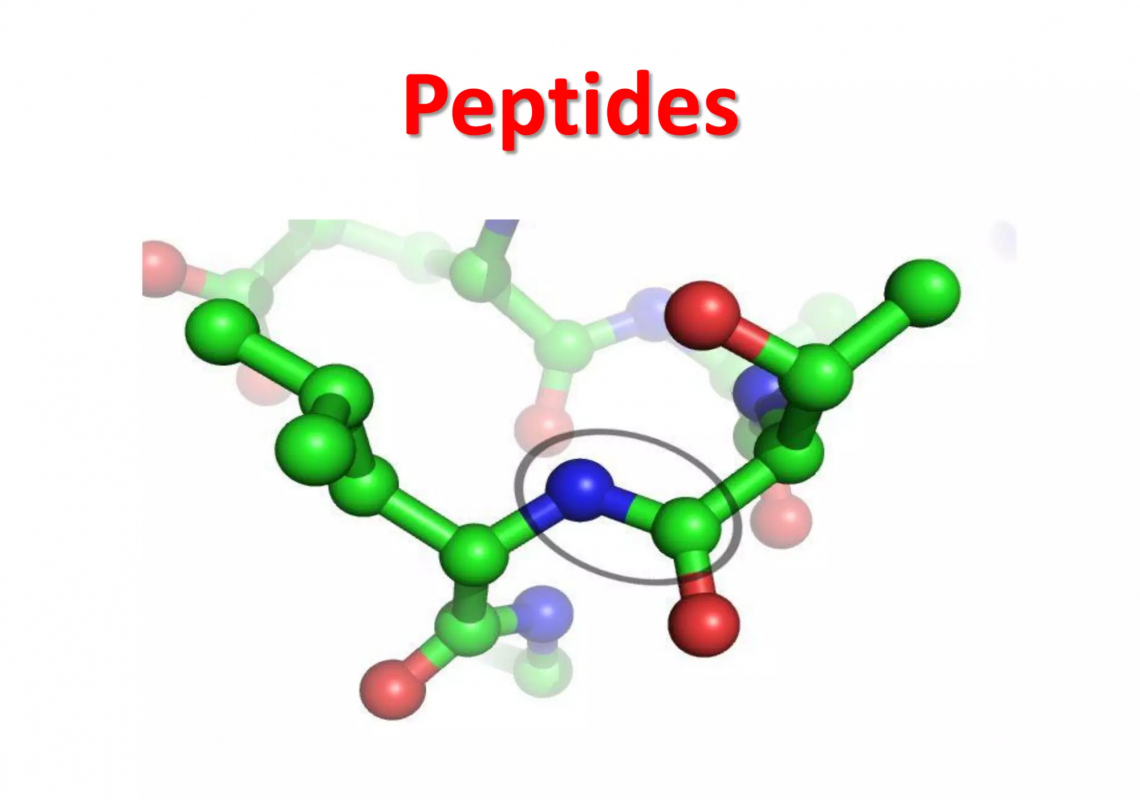
Peptides are short chains of amino acids that act like signals in the body. In weight loss care, certain peptide therapies may be used to support body composition goals and consistency, especially for people who struggle with energy, recovery, or sticking with the basics.
The trade-off is that peptides aren’t a stand-alone shortcut. The outcome depends on medical oversight, nutrition, and what you measure along the way.
What are peptides for weight loss?
Peptides are naturally occurring compounds your body uses to communicate between cells. In a medical setting, peptide therapy refers to specific peptides used under clinical guidance for targeted goals.
In weight loss programs, the goal is usually not “melt fat overnight.” It’s to support the plan that drives fat loss: steady habits, recovery, and follow-through.
Do peptides help you lose weight?
They can help in the right context, but expectations matter. Many people want one solution that fixes appetite, cravings, energy, and motivation at the same time.
Sustainable programs work because they combine tools and track how you respond. Peptides may be considered as one tool that supports adherence and body composition, not as a replacement for nutrition and movement.
A practical framework:
- If appetite and portions are the main issue, medication strategy may be the lead tool.
- If you’re stopping and restarting, close follow-up and accountability often matter more than switching products.
- If you feel run down, your plan may need adjustments to protect lean mass and recovery.
Peptides vs popular weight loss injections: how to choose a plan you’ll stick with
A lot of people start their research focused on a single medication. That makes sense, but it can backfire if the first option isn’t a match for your body, your lifestyle, or your tolerance for side effects. A clinician-guided program looks at the full picture and chooses tools that you can actually follow long enough to get results.
If you’re deciding between approaches, ask:
- What are the likely side effects and how are they handled?
- What’s the plan if weight loss stalls or you can’t tolerate the first option?
- How often will you check in, and what gets adjusted at follow-ups?
How to avoid muscle loss during weight loss
One hidden risk in rapid weight loss is losing lean mass along with fat. That can drop energy, make plateaus more likely, and increase rebound risk. Most programs get better outcomes when you prioritize:
- Protein with each meal
- Some form of resistance training
- A calorie deficit you can maintain
If you’re losing weight but feel weaker or unusually fatigued, that’s a signal to reassess the plan rather than push harder.
What should a medical weight loss program include?
A program should feel like a plan, not a product. Look for:
- A medical evaluation that considers your risks and constraints
- A personalized strategy that may include prescriptions, nutrition guidance, and supportive therapies
- Follow-up that tracks progress and adjusts quickly when something isn’t working
This is where medical weight loss in Columbia, SC becomes less about chasing the newest option and more about choosing a clinic that can coach and course-correct.
How concierge medical care supports peptide-informed weight loss support
After the first two paragraphs, you should expect your provider to connect every tool to a specific outcome. At SC My Care, our medical weight loss services include options such as nutritional counseling, prescription weight loss support, and peptide therapies like Ipamorelin and CJC-1295, with telemedicine access available for many visits.
The goal is a plan you can stay with, plus monitoring that helps you adjust early instead of quitting late.
Conclusion: treat peptides as a tool, not the plan
Peptides can be useful, but they work best as part of a supervised strategy that protects your health and your momentum. Focus on clarity: what goal the therapy supports, what you’ll measure, and what happens if you plateau.
If you’re ready for a structured approach to medical weight loss in Columbia, SC, contact us now!